






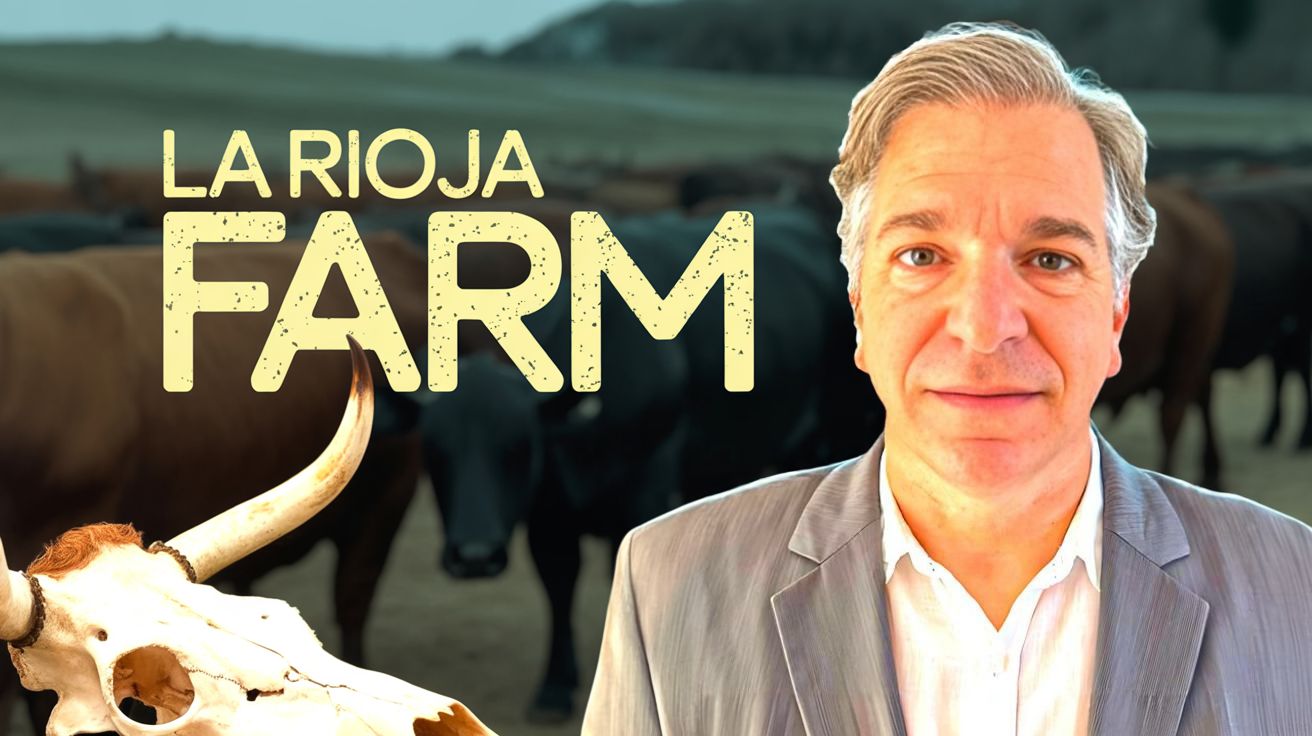
🐄 Cattle Farms in La Rioja, Argentina – Legal, Economic, and Investment Guide
La Rioja is one of Argentina’s most underestimated provinces for cattle farming. While it does not compete with the Pampas in rainfall or density, it offers strategic land opportunities, lower entry prices, and growing agricultural development for both local and foreign investors.
From a legal perspective, cattle farms in La Rioja require careful planning regarding land ownership, water rights, zoning, taxation, succession, and foreign investment rules. Therefore, anyone considering buying, inheriting, operating, or selling a cattle farm in La Rioja should understand both the productive and legal framework that governs rural property in Argentina.
As an Argentine lawyer working with local and international clients, this guide explains how cattle farms operate in La Rioja and how to protect your investment legally and economically.
Argentina Attorney Lawyer
Visit Limeres.com or contact us by WhatsApp:
📲 https://wa.me/+5491141620021
📲 https://wa.me/+19257918555
📍 Why La Rioja Is Attractive for Cattle Farming
La Rioja is located in northwestern Argentina and combines semi-arid climate, mountain valleys, and large rural extensions. Although rainfall is lower than in Buenos Aires, the province compensates with:
• Large land availability
• Lower land prices compared to Pampas regions
• Expanding irrigation projects
• Government incentives for rural development
• Low population density
• Strategic positioning for export corridors
For cattle production, La Rioja focuses mainly on cow-calf operations, breeding systems, and mixed grazing with forage crops. As a result, investors often use La Rioja for long-term livestock development rather than short-cycle intensive fattening.
🌱 Types of Cattle Farming in La Rioja
Cattle farms in La Rioja usually follow extensive or semi-intensive systems. Each model involves different legal and operational considerations.
Extensive Breeding (Cría)
Most farms operate under breeding systems where cows produce calves that later move to other provinces for fattening. This model uses large surfaces and natural pastures.
From a legal standpoint, owners must secure:
• Proper land title
• Grazing rights
• Water access permits
• Environmental compliance
Because land areas tend to be large, cadastral verification becomes essential before any transaction.
Semi-Intensive Production
Some farms combine grazing with supplementary feeding and forage crops such as alfalfa or corn. These operations require additional infrastructure, irrigation rights, and sometimes provincial permits.
Here, contracts with suppliers, equipment financing, and labor compliance become critical legal aspects.
Mixed Agricultural-Cattle Farms
In irrigated valleys, farms combine cattle with olive, grape, or forage production. These mixed models often involve corporate structures to separate assets and limit liability.
⚖️ Legal Framework for Cattle Farms in La Rioja
Operating a cattle farm involves more than owning land. Argentine rural law covers property rights, water use, livestock registration, taxation, labor law, and environmental compliance.
🏡 Land Ownership and Title Security
Before acquiring a cattle farm in La Rioja, buyers must perform full title due diligence:
• Verify ownership history
• Confirm boundaries and surface
• Review cadastral plans
• Detect easements and access roads
• Check mortgages and liens
• Analyze possession claims
In La Rioja, many rural properties still present old titles, inheritance divisions, or informal possession histories, so legal verification prevents future litigation.
🌍 Foreign Ownership Rules
Foreign investors can buy rural land in La Rioja, but they must comply with Argentina’s Ley de Tierras Rurales.
This law limits:
• Foreign ownership to 15% nationally and provincially
• Individual ownership size
• Border zone restrictions
Therefore, foreign buyers need legal analysis before signing any purchase agreement.
💧 Water Rights and Irrigation
Water is one of the most sensitive issues in La Rioja. Cattle farms require access to:
• Wells
• Rivers
• canals
• irrigation systems
Water use usually requires provincial authorization. Without registered water rights, a farm’s productivity and value decrease significantly. Lawyers must verify permits, concessions, and historical usage.
🐮 Livestock Registration and SENASA
All cattle farms must register livestock with SENASA and provincial authorities.
Legal compliance includes:
• Branding registration
• Movement permits
• Health certificates
• Vaccination programs
• Transport documentation
Failure to comply exposes owners to fines and operational blocks.
👨🌾 Labor Law on Cattle Farms
Farm labor in Argentina follows strict rules. Employers must register workers and comply with:
• Social security contributions
• Rural labor statutes
• Occupational safety rules
• Housing conditions
• Termination protections
Many rural disputes arise from unregistered employment. Therefore, legal structuring protects farm owners from labor litigation.
💰 Taxes Affecting Cattle Farms in La Rioja
Cattle farms face several taxes at provincial and national levels:
• Income Tax (Ganancias)
• VAT (IVA) on certain operations
• Provincial property tax
• Rural stamp tax on contracts
• Wealth Tax (Bienes Personales)
• Export taxes if applicable
For foreign owners, U.S. or international reporting obligations may also apply. Coordinated tax planning prevents double taxation and compliance risks.
🏢 Structuring Ownership of Cattle Farms
Many investors choose not to hold cattle farms personally. Instead, they use:
• Argentine corporations (SA / SRL)
• Family companies
• Holding structures
• Trusts (fideicomisos)
• Usufruct models
Corporate ownership simplifies succession, limits liability, and improves management continuity.
⚖️ Succession and Inheritance of Cattle Farms
In Argentina, forced-heirship rules affect cattle farms strongly. When an owner dies, the land often enters probate. Without planning, courts freeze operations.
Proper succession planning includes:
• Wills
• Usufruct reservations
• Share structures
• Family protocols
• Buy-sell agreements
A cattle farm must continue operating even during inheritance procedures.
📈 Investment Risks and Opportunities
La Rioja offers opportunities through:
• Low land prices
• Expansion zones
• Infrastructure growth
• Export integration
However, risks include:
• Water availability
• Climate volatility
• Title irregularities
• Labor claims
• Tax exposure
Legal analysis transforms risk into manageable investment.
🤝 Buying or Selling a Cattle Farm in La Rioja
Transactions require:
• Letters of intent
• Due diligence
• Notarial deeds
• SENASA transfers
• Tax clearance
• Corporate restructuring
An Argentine lawyer coordinates all these steps to protect buyers and sellers.
🧠 Final Thoughts from an Argentine Lawyer
Argentina Attorney Lawyer
Visit Limeres.com or contact us by WhatsApp:
📲 https://wa.me/+5491141620021
📲 https://wa.me/+19257918555
Cattle farms in La Rioja are not just land assets. They are legal, operational, tax, and family systems combined.
Investors who focus only on price often discover hidden problems later. In contrast, those who structure ownership, water rights, livestock compliance, labor law, and succession planning in advance enjoy stable, profitable operations.
Whether you plan to buy, inherit, operate, or sell a cattle farm in La Rioja, professional legal guidance protects both production and wealth.